







BUILDING THE HIERARCHY
STEPN had become the most recognised face of FSL.
At the same time, products including STEPN GO, MOOAR, FSL Game Hub, GGUSD and FSL ID were launching with their own identities, personalities and ways of communicating.
The products were becoming known. The company behind them? Not always.
The challenge was to strengthen FSL without limiting the brands beneath it. Games needed freedom to build their own audiences. Infrastructure products needed to feel connected. Experimental ideas needed space to launch, evolve and disappear without weakening the wider ecosystem.
So the question became:
How could FSL create one connected brand while giving every product the flexibility to become something of its own?

EVALUATING THE STRUCTURE
Before designing the system, we tested multiple ways the FSL ecosystem could be organised.
Working closely with the FSL team through strategy workshops, we mapped relationships between products, explored different architecture models and considered how each structure would perform as the business expanded.
Every option was evaluated against brand recognition, customer experience, product relationships, long-term vision, scalability and business flexibility.
Some structures gave the master brand too much control. Others created too much distance between FSL and its products.
Each round of testing moved us closer to the right balance.
After multiple workshops, revisions and plenty of diagram shuffling, a clear direction emerged: a system strong enough to build recognition around FSL, but flexible enough to support new launches and future opportunities.


DESIGNING FOR SCALE
Once the hierarchy was defined, the visual system followed.
The ecosystem was divided into two groups, each with a different purpose: infrastructure and apps.
Infrastructure
Infrastructure products form the foundation of the FSL ecosystem, so they needed a close relationship with the master brand.
We created a shared design language using consistent typography, gradients and logo construction. Each product received its own icon and colour palette, giving it a distinct role while making it recognisable as part of the FSL family.
The result was a modular system that could grow without starting from scratch every time.
New infrastructure products can now fit naturally into the framework, building their own recognition while reinforcing FSL behind them.
Apps
Games, social products and experiments needed a different approach.
These experiences required the freedom to develop identities that reflected their audiences and ambitions. An experimental idea could launch, evolve or retire without creating confusion across the wider brand.
This separation gave the ecosystem room to move.
The core platform remained consistent, while every new experience had the flexibility to become something unique.






Creating the system was only the beginning.
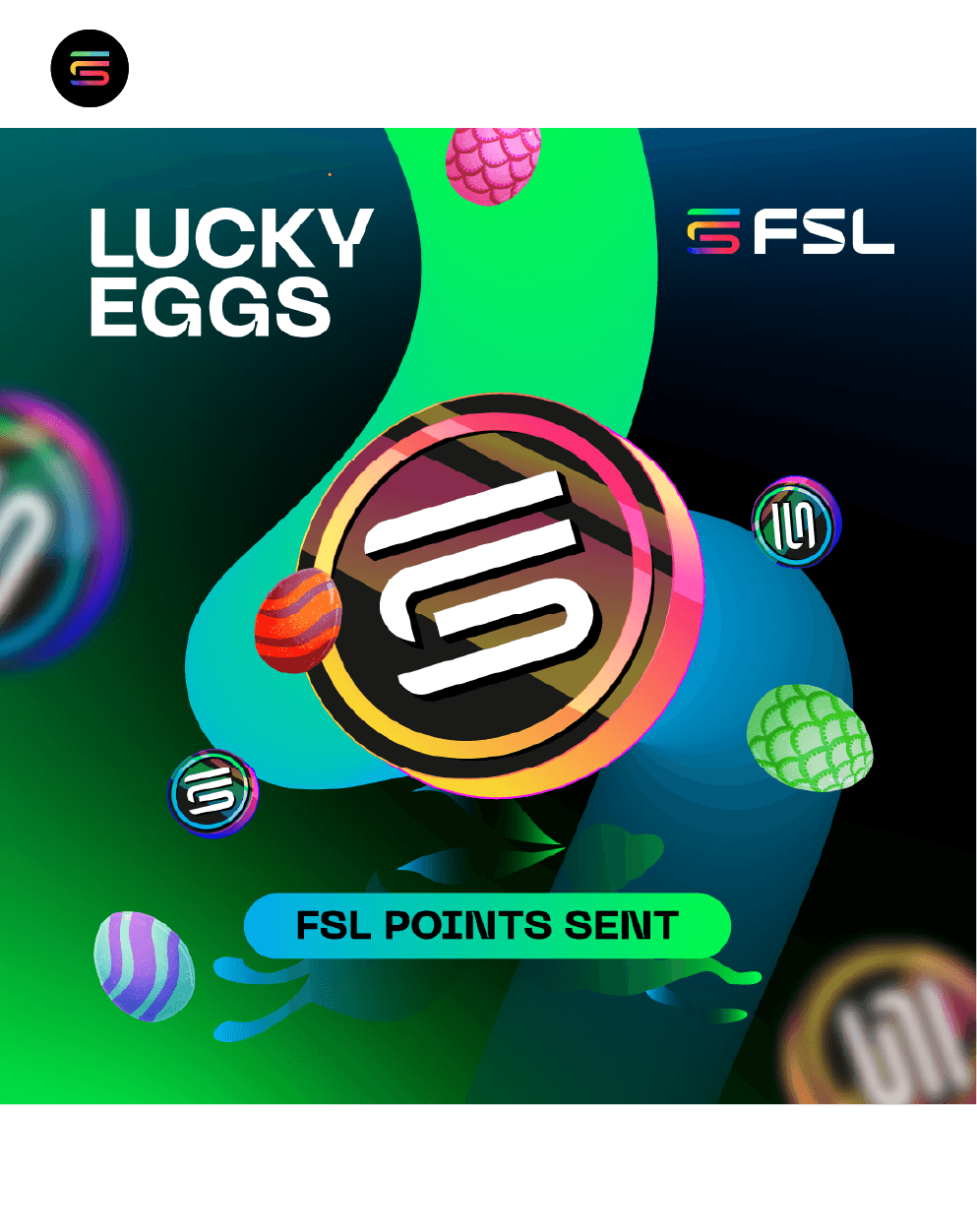
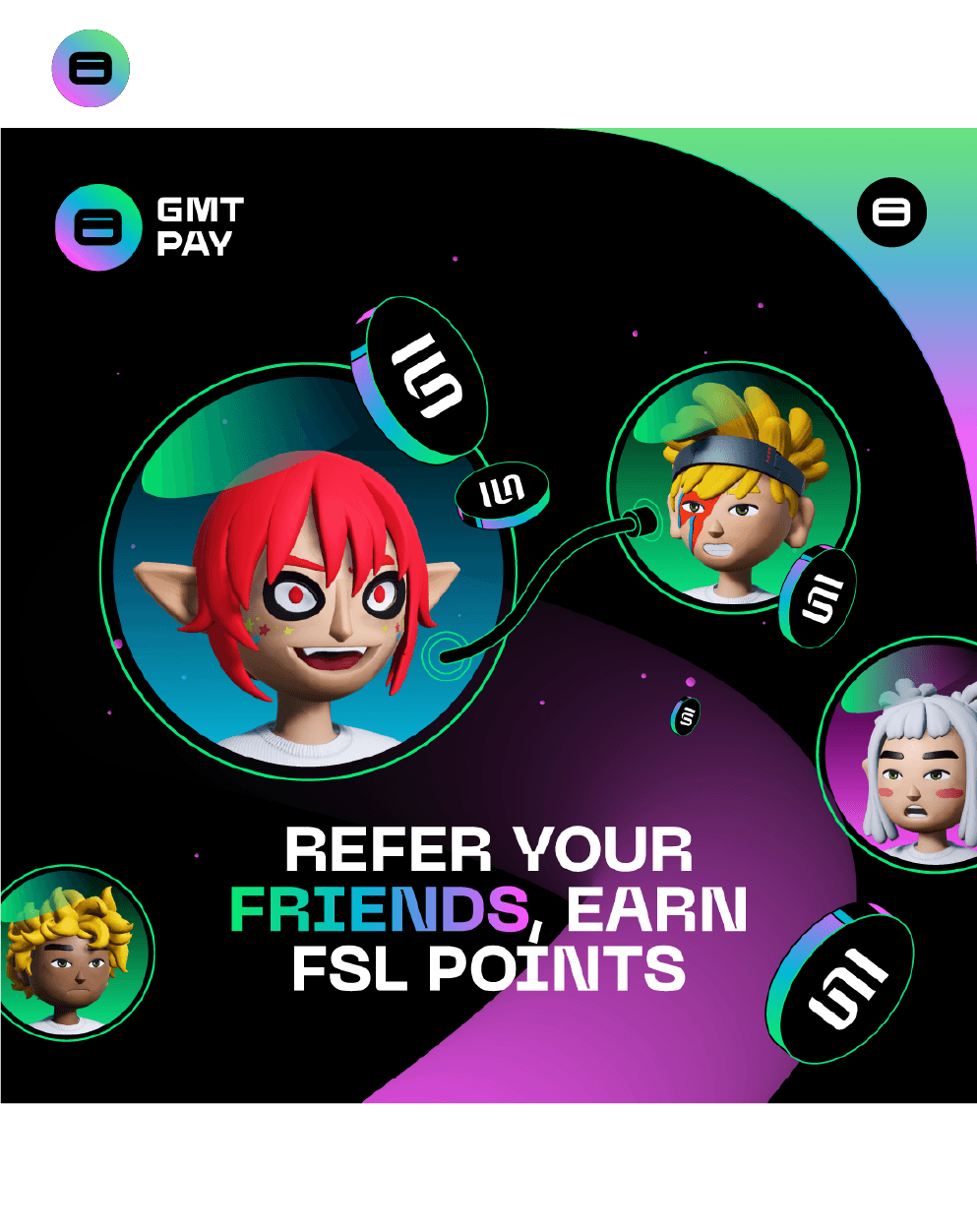
Since then, we have continued working alongside FSL as an active creative partner, supporting launches, campaigns, updates and ideas across the ecosystem.
Through weekly collaboration, we turn changing business needs into practical creative outcomes. Our multidisciplinary team including graphic designers, illustrators, 3D artists, motion designers and font developers supports every stage of production while keeping the ecosystem visually connected.
Our work spans brand architecture, identity systems, icon design, typography, illustration, animation, 3D assets, campaigns, product launches and social content.
In 2025 alone, we completed more than 2,000 creative job requests across the FSL ecosystem.
The system continues to do exactly what it was designed to do: keep infrastructure closely connected to FSL, give apps the freedom to stand apart and make every new product easier to introduce without losing sight of the bigger picture.
One master brand. One connected ecosystem.